 Health
Everyday Habits Built Around Gut Health Beyond The Marketing, Explained Simply
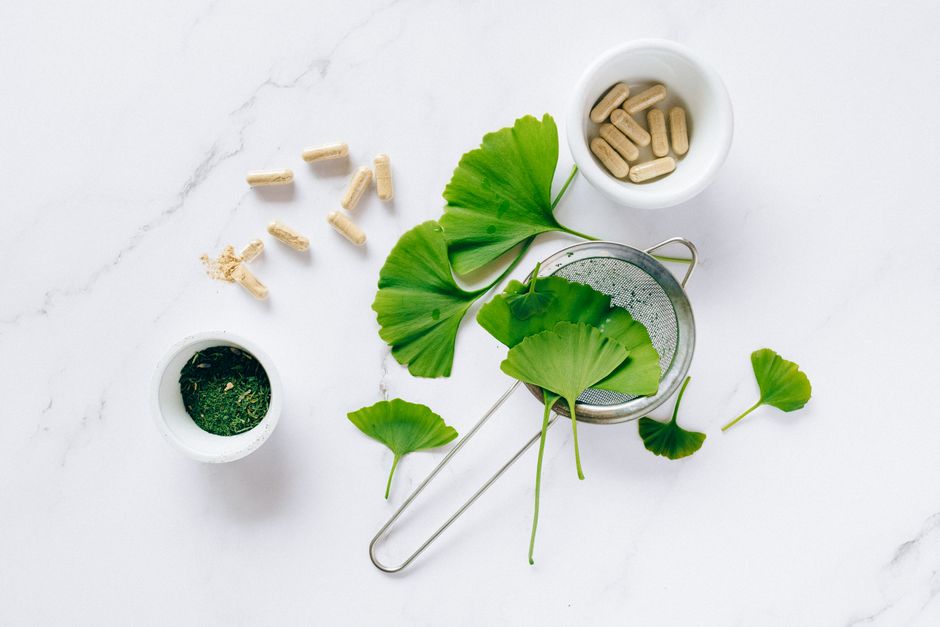
In midlife and beyond, gut health beyond the marketing deserves a little more attention than it did at twenty-five. Think of it as gentle maintenance rather than a strict programme. Let's look at what actually matters with gut health beyond the marketing, and what you can safely ignore.
Why it matters more now
The community of micro-organisms in the gut is a legitimate and fast-moving field, and it is also the area where the distance between what is known and what is sold is widest. Plausible mechanisms are being marketed as settled findings, and personalised tests are being sold well ahead of the evidence.
None of this has to happen all at once; even one small adjustment in this area tends to pay off over time.
What changes with age
What is reasonably established is unglamorous. Diversity of plant foods is associated with diversity of gut bacteria. Fibre is the primary fuel for the organisms that produce beneficial compounds. Antibiotics disrupt the population, usually temporarily. Long-term dietary pattern matters more than any single food or supplement.
It helps to focus on what you can realistically do most days, rather than an ideal you can only manage occasionally. For evidence-based detail, the NIH National Center for Complementary and Integrative Health offers helpful guidance.
Adjusting your approach
What is not established is most of the rest: that a stool test can currently tell an individual what to eat, that a particular probiotic will change mood or immunity in a health-supporting person, or that a cleanse achieves anything the liver and kidneys were not already doing.
Protecting your energy
The practical advice that follows is dull and cheap. Eat a wider range of plants across a week — the count counts more than the individual choices. Include some fermented food. Keep fibre up. Take antibiotics when they are needed and not when they are not. Further information is published on mitolyn official website.
Staying strong and steady
The key point is that persistent symptoms deserve a different response entirely. Ongoing pain, blood, unexplained weight loss, or a change in bowel habit lasting weeks are reasons to see a doctor, not reasons to try another supplement.
Practical tips
In everyday terms, this can look like:
- Give any change a few weeks before judging whether it is helping.
- Notice what works for you personally, since everyone responds a little differently.
- Keep the useful option easy to reach and the tempting one a little harder.
- Protect your sleep, since it quietly makes everything else easier.
The bottom line
The best approach is the one you can keep going with. None of this needs to be perfect. A few steady habits, kept up over time, tend to do far more than any short-lived effort.
Frequently asked questions
What is the single most important thing to focus on?
Consistency. A modest routine you actually keep beats an ambitious plan you abandon after a week.
Is this suitable for busy people?
Yes. Most of the ideas here fold into things you already do each day, so they take little extra time.
Is this relevant if I'm just starting out?
Yes. You can begin with one small change and build from there. With gut health beyond the marketing, steady progress beats trying to do everything at once.
Do I need special equipment or money?
No. Most of what helps is free or low-cost, and the simplest options are usually the ones people stick with.