 Health
Portions Without Counting Calories in Your 40s, 50s and Beyond, Minus the Overwhelm
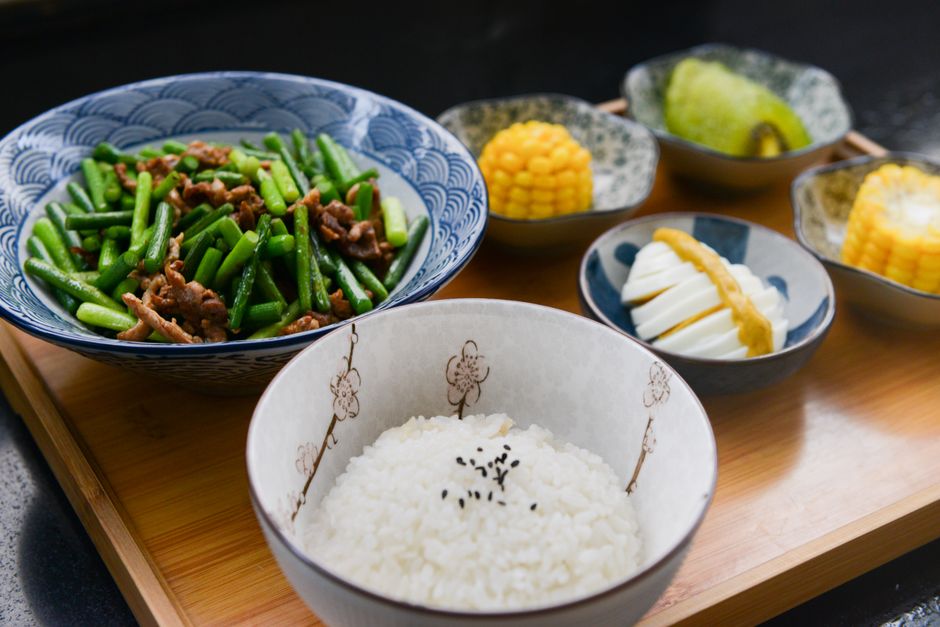
There is a lot of noise around portions without counting calories, so this guide keeps things simple and practical. None of this is complicated, and none of it needs to be expensive. Let's look at what actually matters with portions without counting calories, and what you can safely ignore.
Why this matters
None of this requires precision, and that is the point. A portion that is approximately right, repeated most days, produces a better result over a year than a portion that is exactly right and abandoned in three weeks.
Give yourself room to be imperfect here; a missed day is an event, not a reason to give up.
The basics, made simple
Put simply, counting calories works for some people and quietly wears down many others. It demands measurement at every meal, it turns eating into arithmetic, and it depends on figures — both on labels and in databases — that carry a margin of error wide enough to matter. For a lot of people the accounting collapses long before the habit does.
The goal is progress you can maintain, not perfection you have to chase and eventually abandon.
How it fits into daily life
It helps to remember that the alternative is not vagueness. It is structure that produces a reasonable portion without a number attached. The most durable version is the plate: half of it vegetables or salad, a quarter protein, a quarter starch, with some fat used for cooking or dressing. That single arrangement handles most meals without a scale. Trusted resources such as MedlinePlus (National Institutes of Health) cover this in more depth.
Give yourself room to be imperfect here; a missed day is an event, not a reason to give up.
What tends to work
On a day-to-day level, hands work as a portable version of the same idea. A palm of protein, a fist of vegetables, a cupped hand of carbohydrate, a thumb of fat — scaled automatically to the person using them, which is more than most standard portions can claim.
Small changes that add up
Worth keeping in mind: beyond structure, the conditions of eating do a lot of the work. Eating slowly gives fullness signals time to arrive, since they lag the meal by fifteen to twenty minutes. Serving from the kitchen rather than from dishes on the table removes the automatic second helping. Eating without a screen makes the meal register as an event rather than as background.
Practical tips
A few simple things tend to help:
- Ask for a little support from someone around you when you can.
- Keep the useful option easy to reach and the tempting one a little harder.
- Protect your sleep, since it quietly makes everything else easier.
- Aim for good enough on busy days instead of skipping entirely.
The bottom line
Keep it simple, be patient with yourself, and let small changes add up. None of this needs to be perfect. A few steady habits, kept up over time, tend to do far more than any short-lived effort.
Frequently asked questions
Is this suitable for busy people?
Yes. Most of the ideas here fold into things you already do each day, so they take little extra time.
Is this relevant if I'm just starting out?
Yes. You can begin with one small change and build from there. With portions without counting calories, steady progress beats trying to do everything at once.
What is the single most important thing to focus on?
Consistency. A modest routine you actually keep beats an ambitious plan you abandon after a week.
How long before I notice a difference?
It varies from person to person. Give any new habit a few weeks of consistency before deciding whether it is working for you.